09 September is PAO Awareness Day
Resilience and our PAO Journey
Twelve women with Pregnancy Associated Osteoporosis (PAO) met virtually on World Osteoporosis Day for a peer-support session to reflect on what resilience has meant to us throughout our PAO journey, and what it means now. Together, we shared experiences to support others going through it and to help healthcare professionals better understand how delayed diagnosis and lack of patient-centred care can affect women’s lives.
PAO STORIESADVOCACYSUPPORT
10/22/20259 min read
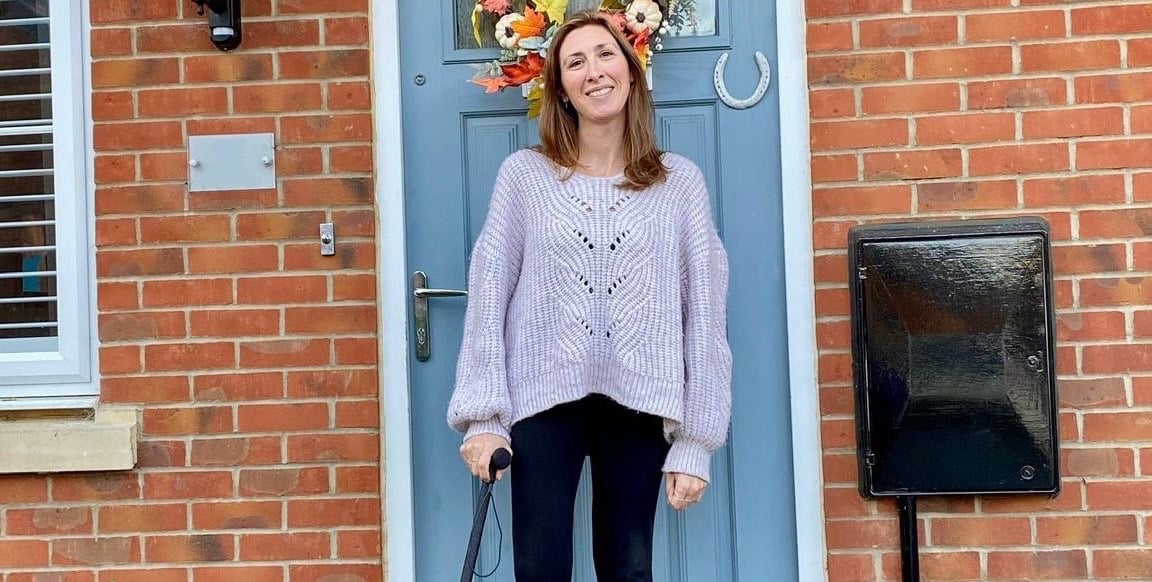
Twelve women with Pregnancy Associated Osteoporosis (PAO) met virtually on World Osteoporosis Day to talk about what resilience has meant to us throughout our PAO journey, and what it means now.
We chose the theme resilience for World Osteoporosis Month because it acknowledges both the challenges and the strength and learning that can come from it.
The World Health Organisation defines resilience as “the ability of an individual, community, or system to withstand, adapt to, and recover from adversity or challenges.” (Mental Health & Resilience Report, 2020)
Our discussion revealed how deeply resilience runs through the PAO experience, often unseen and hard-won. We wanted to share our stories to support other women going through it and to help healthcare professionals understand how delays in diagnosis and lack of patient-centred care can worsen trauma and health challenges.
Each woman’s story differs. Some had what seemed like straightforward pregnancies, others noticed pain during pregnancy, and most experienced spinal (vertebral) fractures in the spine within the first twelve weeks after giving birth. The stages overlap and vary but resilience weaves through them all.
Pregnancy before any signs of PAO
For many, resilience in pregnancy meant calm strength and trust in their bodies.
“Before I was aware I had PAO, resilience felt like a sense of calm and going with the flow, because that’s the only way you can go through it. You’ve not done it before and it’s scary but you hold onto that calmness, whatever happens.”
At this stage, resilience was about accepting uncertainty, not yet knowing what lay ahead.
Pregnancy when PAO comes to light
For some, pain and fractures began during pregnancy.
“I’d always considered myself resilient. My friends said I’d been through so much. My approach was to power on through. But with this pregnancy, I was broken. It was the first time in my life that any sense of resilience felt shattered.”
“I think I had a misplaced view of strength, believing it meant sucking it up, not being a wimp and not showing pain. I fractured during the second trimester but thought I had to keep going. I remember thinking, ‘If you can’t cope with this, how will you cope with birth?’ I didn’t realise I should stop what I was doing.”
“I had a gung-ho sense of resilience. This experience brought that mentality into perspective.”
Pain that is dismissed or misunderstood early on can leave lasting marks. For some, what started as confidence in their strength became self-doubt and confusion.
Giving birth with PAO and in the postnatal ward
A few women believe they fractured during labour itself.
“I’ve always been called resilient and strong, but when it comes to pain, I never thought I was. I genuinely think I fractured during birth. I kept saying I was in so much pain, but they weren’t listening. On paper it was a good birth, but I knew something was wrong.”
“After the birth, I was too out of it to realise how bad things were. It was only when they asked me to get up to have a shower before moving to the postnatal ward that I felt the full extent of the pain. I had a sharp pain in my coccyx and a weakness around my bra strap area (where I later fractured). My partner had to help me because I wasn’t with it mentally or physically. They said a doctor would come to see me later that day but they never did."
"In the postnatal ward, I couldn’t move around easily or sit up to breastfeed. My partner had to pass our daughter to me so I could try feeding her lying down. I didn’t do it enough, and I was worried she was hungry and that she wouldn’t bond with me."
"Midwives would rush in and out ticking boxes, but no one paid attention to how unwell I was. Resilience then was knowing deep down something wasn't right. I asked for a scan but the response was, ‘We don’t do postpartum scans.’"
"I ended up having what was described as a panic attack on the ward and was referred to the mental health team but the referral was rejected. Later, I had intrusive thoughts, though I didn’t realise that’s what they were at the time. It probably would have helped to have professional support but my experience made me distrust the healthcare system."
Resilience, at that point, meant continuing to care for a baby while feeling physically broken and emotionally abandoned.
The fourth trimester: fracturing while caring for a newborn
Most experience spinal fractures in the first twelve weeks after giving birth (though fractures can also occur elsewhere). For many, this was when the pain became unbearable.
“I have an autoimmune condition. In the third trimester I got back pain, which they said was pelvic girdle pain. Close to delivery I could barely stand. I had an emergency C-section at 35 weeks. It got better until about ten weeks postpartum, then I picked my baby out of the moses basket and that’s when the first fracture happened. It got worse from there.”
“Before this I thought I was resilient but I honestly don’t know how I got through it. The thought of going through that pain again terrifies me. Even though that time was so traumatic, I did get through it: that’s resilience.”
“I’m pretty sure I was fracturing through the birth. I had awful pain and people thought I was being dramatic. Four weeks later I had multiple fractures. Resilience then was trusting myself when no one else believed me.”
“I worried about my relationship with my baby because everyone else was doing everything for her. I thought I was useless. But now, a year later, I can see how strong our bond is. The pain passes, the connection stays.”
Living with multiple fractures while trying to care for a newborn takes unimaginable strength. Physical pain and exhaustion are joined by guilt, fear and isolation.
Before diagnosis: fighting to be heard
Diagnosis often takes months, even years. Many women said their pain was dismissed as “normal” recovery from birth.
“I say this as a medic myself, I was gaslit. By the end of the pregnancy, I thought I was just not coping. Everyone told me it was normal, and I believed them. Resilience was knowing deep down something was wrong and fighting to be heard despite the overwhelming lack of support.”
“Resilience for me was trusting myself. I knew my pain wasn’t normal, even when everyone said it was. It took six months to get a diagnosis.”
“They measured my height at an appointment and I realised I’d shrunk. That was what finally convinced them to do an MRI.”
“By the time I got my diagnosis I was completely broken. My grandma came to visit, took one look at me and said, ‘There’s something really wrong.’ She was right.”
Other women shared similar experiences of being dismissed when they knew something was wrong.
“I went to A&E with my baby because the pain was unbearable. The nurse asked why I’d bring a baby into A&E, as if I’d done something reckless. But I had no choice. I could barely stand. They gave me painkillers and told me to rest. I knew I needed a scan but was made to feel guilty for even asking.”
“I remember the doctor looking at me like I was wasting his time. I was breastfeeding and couldn’t even lift my 12lb baby. I said, ‘Scan me, please, something’s wrong.’ He did it reluctantly, told me nothing showed up and sent me home. My rheumatologist looked again later and saw the wedge shape and identified fractures.”
“Being judged for seeking help when you’re in that much pain is horrible. You start doubting yourself, even though you know your own body best.”
For many, the long wait for recognition compounded the trauma. Instead of being met with care and curiosity, they faced disbelief or dismissal.
Being diagnosed
For some, the moment of diagnosis brought both relief and fear.
“I was nine months postpartum when I finally got a diagnosis a few weeks ago. I feel like I’m still in it, still waiting for treatment. It’s a relief to know I wasn’t imagining it. Resilience now is taking each day as it comes.”
“I was told I had twelve spinal fractures and broken ribs. It felt surreal, like looking at someone else’s scan. My first thought was, 'is it stable?' The doctor said it might be Pregnancy Associated Osteoporosis. I was terrified but also relieved.”
“When I was told I’d fractured, I thought, I knew it. Relief lasted only a second before reality hit, this wasn’t going to be a quick fix. I kept telling myself, I’ll feel better when my back’s better. Then you realise it won’t be soon and that’s hard to accept.”
“You have that moment of relief that you’re not going mad, that it’s real. But then you realise this is forever. You have to find acceptance. Resilience becomes putting one foot in front of the other every day.”
“I rang my dad after getting the diagnosis and said, ‘It wasn’t all in my head. I’ve broken my back.’ It was validating in a strange way. I wasn’t someone putting myself before my baby, as I’d been made to feel.”
For many, this moment marks the start of rebuilding, not only physically but emotionally and mentally.
After diagnosis: adjusting and accepting
Coming to terms with a diagnosis of PAO requires resilience through initial relief then grief and uncertainty.
“I was told to stop breastfeeding. It was the one thing I could still do for my baby, and being told to stop made me feel completely redundant. It was devastating.”
“For months I couldn’t lift my baby at all. Over time, I started to lift again, little by little, and then thought, was that woman who couldn’t lift her at all really me? Your sense of self comes back in stages.”
“It felt impossible to relax. Even in sleep, my dreams were full of worry. But that passes too. Slowly, you start to feel more yourself again.”
Acceptance can take years. Physical healing is gradual but regaining trust in the body and in healthcare can take much longer.
Accessing treatment
Even after diagnosis, women often face challenges accessing treatment or consistent advice. Peer support helps provide resilience.
“This group gave me resilience. It helped me get the right medication and gave me the strength to push for it.”
“I had to fight for treatment. My consultant was reluctant because of possible pregnancy risks. I said, there are no future children, I just want to get better. Eventually, I got the infusion I’d asked for.”
“I only got teriparatide because I pushed so hard. I’d been refused before but the support of this group gave me the confidence to ask again. Now I’m on it and I feel hopeful for the first time in years.”
“Resilience for me was continuing to fracture for twenty years before teriparatide was available. When I finally got it, it changed everything. It stopped the fractures and I could get on with my life again.”
With PAO still under-researched and poorly understood, women often have to find the resilience to become advocates for themselves, learning about treatments and sharing information with each other.
Resilience now
Resilience continues to evolve long after the initial fractures and diagnosis. For some, it has meant finding the confidence to speak up and make changes that help them live more freely.
“The first time, I didn’t go out much and didn’t know what was wrong with me. I was in too much pain and couldn’t face it. With the second pregnancy, I was eventually diagnosed and started falling into that again but I got myself back up by making small adjustments. I realised I could still do things that made me happy. I started asking for what I needed: a different chair, a cushion, or better support. I even rang a venue before a gig and asked if they could make it more comfortable for me. That’s what I’d say to anyone in the early days: things can be done to make life easier, and you can still find joy if you speak up for yourself.”
“I went twenty years without anabolic treatment and still fracturing, but I carried on with my career and have just celebrated my ruby wedding anniversary with a big party. It is possible to move forward and have a good life. The early stages are hard but you get there. Be kind to yourself and pace yourself. Look for something good in each day, little successes become big wins in time.”
Others spoke about how resilience has reshaped their understanding of motherhood and what they hope to pass on to their children.
“I used to get upset that I couldn’t give my son every experience I wanted to. But then I thought, what do I actually want for him? Maybe it’s not about doing everything, it’s about character. If I teach him to understand limits and compassion, maybe he’ll be the one who chooses to include another child who can’t join in. What I want for him is kindness, not just activity. This experience has made me slow down and see that.”
Resilience now means adjustment, patience and advocacy. It’s in learning to speak up, to make space for joy, and to recognise that life after PAO, though different, can still be full.
Towards earlier diagnosis and better care
Our stories show that resilience is not about coping alone. It is about maternal strength, self-trust, connection and continuing to ask for help when help is slow to come.
Pregnancy Associated Osteoporosis remains under-recognised. Too often, severe pain in pregnancy or postpartum is dismissed as “normal.” Listening to women, believing them and offering timely scans and specialist referrals could lead to better healthcare and prevent years of suffering.
We share these stories as women who have lived through something rare and life-changing, and who have found strength in each other. We don’t want any more women to go through what we have.
To learn more about current research and the #Measurethatmum campaign for earlier diagnosis, visit: New research offers hope for earlier diagnosis of Pregnancy Associated Osteoporosis
Also join us for our "Ask the Experts" Q&A webinar on the evening of 19 November, featuring three clinical experts on PAO. This session is for PAO patients, their family and friends, and clinicians with an interest in this rare disease.
Follow PAO UK on Instagram, Facebook and LinkedIn for updates and shared stories.